I was late because the cat brought a mouse in while we were eating breakfast, the traffic was crazy as a lorry had jackknifed on the motorway and then my pass failed to register as I dashed into the building.
You’re late because you’re feckless.
There’s a bias inherent in all of us that often crops up in the course of my coaching work and cuts right to the heart of the mediations that I do. It stems from a psychological concept that originated in the 60s and was christened in the 70s as Fundamental attribution error. It comes from our tendency to think of our own behaviour as being shaped by events, but the behaviour of other people as being a result of their personalities.
At the core of this is, in my opinion, context. We know all the context behind our lives, but only see the end results of the context that other people are working within.
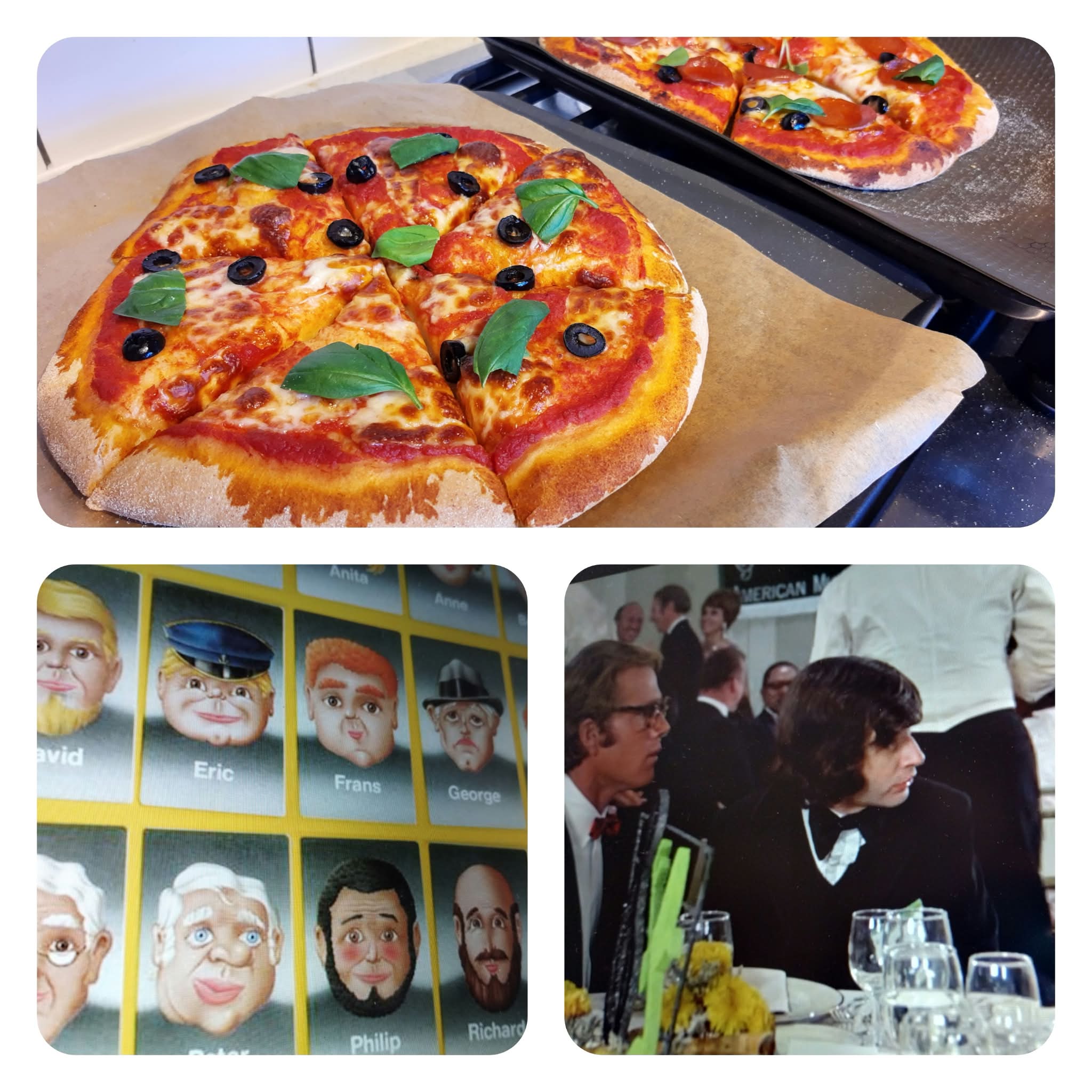
The absence of context, even around things that we know well can completely derail how we approach things. I’ve always had a pretty good memory for faces, but can find it quite tricky to pair that up with their names. It’s left me in some awkward spots over the years, when I can remember all manner of stories about a person’s life (that they have played for decades in the local darts leagues, the gruesome details about flatshare disasters when moving to the area, their lifelong support for Arsenal) but would only have their name spring to mind a good 5-10 minutes after I’d have been expected to introduce them to whoever I’m with. It’s usually okay at work (particularly on Teams where people’s names are handily floating under their names, like a magic nametag that’s always visible, causing none of the screwball shenanigans that Howard Bannister faced in What’s up Doc?), but in the supermarket or on the highstreet, or somewhere completely different, I really struggle.
My favourite context scrambling anecdote came a few years ago when I went to a newish pizza restaurant and was greeted at the door by a familiar face who welcomed me in with a “Hello Mark, let’s find you guys a table.”
I spent the whole meal trying to remember where I knew her from. What was even more disconcerting was that it was a face that I knew I’d known for years, and that, weirdly, felt intimate.
Whether I’d have been quicker to realise that she was my dentist’s dental nurse, if I’d seen her leaning over me, upside down, with my mouth open, is completely moot, but it really highlighted to me the challenges you can face when the context completely shifts (her husband had just opened the restaurant and she was helping with the early weeks).
So, as we know that context is very much key, what can we do as coaches and what can we unveil for our coachees, that can help them to correct for this error that appears to be innate for all of us?
There’s three rough steps that I’ve tried to use whenever I get the sense that I’m falling into this trap.
The first is around awareness. As a coach, I’d be looking for the instances in which the client is describing their own behaviour and framing it in terms that the other people in the situation may not be aware of. Or vice-versa, in which the client is presenting the actions that other people are undertaking as representative of (likely negative) character traits. The sort of questions that might open this up could be along the lines of “Do they know about that?”, “How do you know that?”, or indeed any approach in which the coachee starts to think that the way in which they’re viewing something that happened might not be how all parties involved experienced it.
The second step is to try to put yourself in the shoes of the other party in the situation. Thinking about how the situation might have been viewed through their eyes.
Lastly, and possibly most important, is to then work backwards and start to try and think about what range of things might have led to the behaviour you witnessed, and what (being generous) may have caused it.
I’ve found it a really helpful exercise in a whole variety of circumstances and it goes to the core of quite a few situations which have been exacerbated by communication breakdowns. Once one party assumes that the other is in full possession of all of the facts and context, there’s the real risk that they’ll impute motivations to the actions which are unhelpful, wrong and aggravating.
Of course, it’s also true that some people (not me, naturally) are just feckless. Or that they know exactly what they’re doing but have very different views on what’s important. The very worst that can happen from considering this and having the coachee look into it, is that you gain clarity, and from that confirmed position are able to suss out a plan of action which is not at cross purposes.
