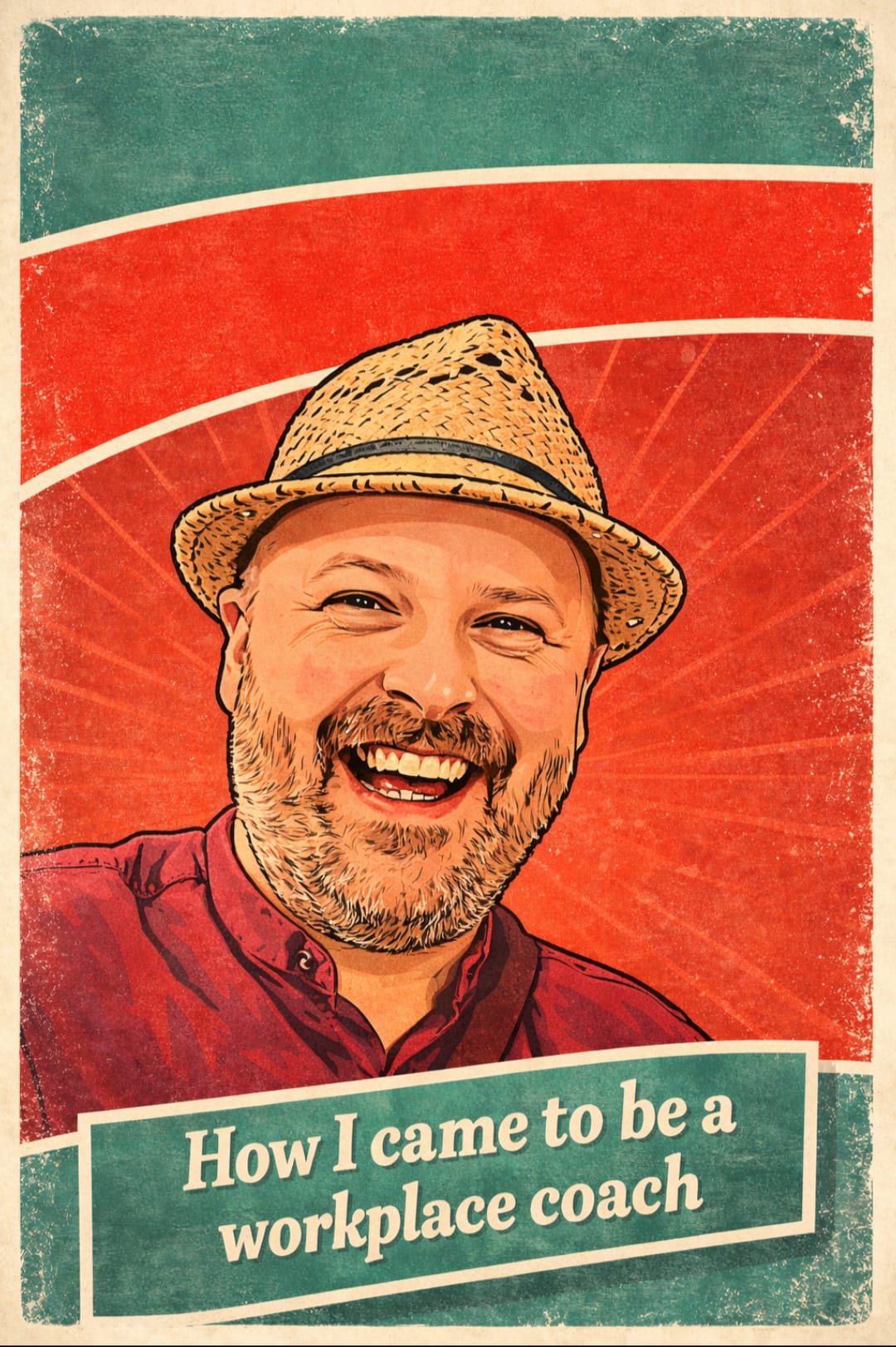
Early in my career as a civil servant I was given the opportunity to train to become an Harassment Contact Officer. This was some two decades ago, and the role was somewhat popular with organisations at the time. The idea was that a pool of approachable staff, of all grades and a wide demographic, would learn listening skills and the early stages of mediation, to be available to staff to talk through any bullying or harassment issues they might be concerned about. Providing a safe environment to gain advice and in which there wasn’t the fear that it might get taken out of your hands and escalate was its unique selling point.
I’d had a number of close friends quit jobs on the back of poor treatment and had always enjoyed chatting, so thought it would be a nice, and useful way to help.
I did that role for over twenty years, talking to people at their lowest and (hopefully) helping them to pick through their circumstances, gain some agency and find a way forward. When the chance came to expand those skills by doing the ILM Coaching certificate, I threw myself into that wholeheartedly. It was nice to be using those listening and questioning skills to help people who weren’t in extremis, but who had found themselves stuck or becalmed in their life or career. Watching them build their own maps and ways forward (not always in ways I thought were sensible, but that almost always proved to be exactly right for them) proved very addictive. It’s lovely to play a small part in helping people succeed.
So for fifteen years I’ve been coaching in the Civil service, both in my local agency and as part of the wider civil service coaching cohort. Through word of mouth recommendations I’ve also been coaching people outside of the workplace and in a wide range of sectors. There’s regularly been surprising similarities and blockers, even in widely differing situations, but also every single conversation is unique and the solutions that are come to are marvellously eclectic.
I’ve led the two dozen or so coaches at work for well over a decade now, and the challenge of providing a trained, experienced and confident internal pool of staff who provide coaching alongside their day job hasn’t always been easy, but working with coaches in any setting is brilliant (such a lovely bunch) and the satisfaction of making a real difference to people’s careers and lives is pretty rewarding. That’s led to providing supervision for my less experienced colleagues, and in recent years training up and qualifying to be a mediator.
Coaching skills have been the single most useful, and satisfying, bit of training that I’ve undertaken in my highly technical day job. Managing staff and helping them get the best out of their skills and ambitions is definitely what keeps me ticking.
Being head of the coaching profession at work has meant that I’ve ended up talking about many aspects of the work with really diverse audiences over the years, and regular themes have come up. About how to explain coaching to the layperson, how to quantify the value to an organisation, how to ensure the quality of the service provided and how to ensure that you, and your fellow coaches are always learning, supporting each other and gaining new skills and techniques to keep their coaching practice fresh.
To that end I thought I’d have a go at blogging on some of these themes and, as people who know me will also come to expect, maybe have a few digressions that will lead back to coaching stuff in one way or another (the fundamental interconnectedness of all things, or somesuch).

The power of effective coaching is an incredible thing and it’d be lovely to hear your thoughts, how you got into it and all your tips and tricks from putting the theory into practice.
All the best
Mark